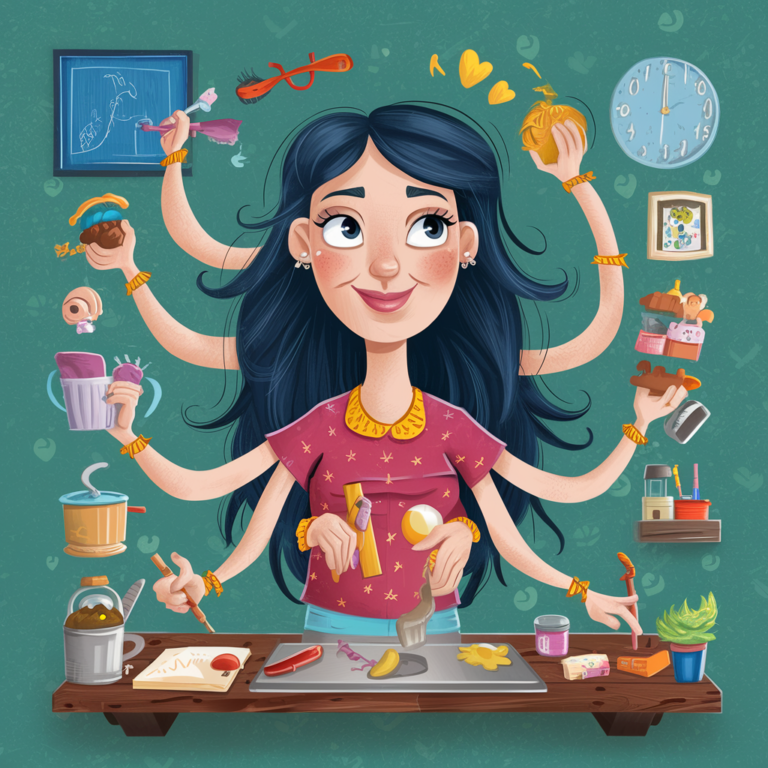
Home » Blogs
Becs' Brain Musings
Things I’ve learned the last two years AKA why I know it was the right move leaving Portugal behind.
1. The grass is green where you water it.
Being in Europe has been a great experience. Being in New Zealand was a great experience. Both are awesome in different ways, and frustrating in different ways. The older I get, I’m pretty sure this is true of anywhere. Water the seeds where you are – flowers and fruit usually grow when you spend time and care cultivating them. Most places are a beautiful garden if you are able to look around and plant a few seeds… and occasionally pull out some weeds that are stifling growth.
2. Watch, look, listen.
And on the note of pulling weeds, I have learnt, painfully, to “trust the patterns, not the person.” The last 2.5 years has been a real learning curve, working with a very volatile, emotionally dysregulated person. The dynamic of trying to second guess a narcopath can be exhausting – lies, gaslighting, attempted manipulation, power plays, undermining, disrespect… It’s important to remember who you are, and to look at the patterns of behaviour. People can say all kinds of shit when they want to manipulate or control you; so when someone shows you who they are, believe them.
3. “The longer you dance with a narcissist, the more you lose your rhythm.”
If you find yourself in a situation where you are in a complex relationship (professional or personal) with a narcissist, learn what you can about narcissism, and the best ways to deal with narcissists. To be really honest, there isn’t a way to ‘win’ or ‘cure’ the situation… but being informed and feeling solidarity is helpful; Happy to share any of the links and literature I’ve read if you want to reach out. The most important thing is to protect yourself from the energy where you can, because it can be heavy and debilitating if you don’t.
Thank you to the beautiful humans who have kept me sane and encouraged at the times when I’ve been living through some genuinely unsettling, subjugating and frankly bizarre behaviour – I’m sorry to have made you my sounding board for so long, but it took a while to work through the shock of what I was experiencing. I appreciate you more than you know.
4. Good things take time.
It takes at least 6 months to feel remotely settled in a new country – be kind to yourself; it’s normal to feel homesick, frustrated, wondering if you’ve done the right thing. But let yourself be excited too or you’ll miss the good stuff. You can’t rush it… so just enjoy what you can, and feel each feeling without letting it define your whole experience.
5. Special things.
On that note, I recommend packing a few sentimental items. You might think you ‘need’ your hair straighteners… but I promise you some little knick knacks that remind you of home and feel comforting will serve you better than a sleek lewk. You can buy new straighteners… but your teddy from when you were 5? Not so much.
6. Red tape and dysfunction.
Portuguese bureaucracy and business processes are archaic and frustrating; See ‘Asterix and the twelve tasks’ for reference. Be prepared to only get one errand run a day, and to go round in circles to try and make sense of dysfunctional systems.
And it’s not just the civil systems – websites here and private businesses also run with a similar level of poor process and disregard for people’s time and energy. There is so much potential for improvement! But a lack of willingness to change. It’s tiring and soul-destroying and deeply frustrating – you’ve been warned.
7. Average eats.
Unpopular opinion – I think the majority of Portuguese food is pretty bad. Overcooked vegetables and bony fish in garlic. It’s not exactly terrible… it’s just sort of… medieval peasant food.
Vinho verde on the other hand, is excellent.
So are pasteis de nata.
But just eating custard tarts all day washed down with white wine, is not a vary balanced diet.
8. “My friends are my estate”
Being able to be close enough geographically to spend some time with my old friends in England has made me beyond happy and let me feel truly myself. I have met some awesome people the world over, including here in Portugal, but there is nothing like my old girls – you know who you are.
9. I had a beautiful upbringing.
The more people I meet, the more I realise how rare my childhood and family situation are. I feel very, very lucky.
10. My own little family is actually awesome.
My husband is a good, kind, decent human with a brilliant mind. He’s also freakishly strong, and very handy when it comes to fixing stuff. And my daughter is unapologetically enthusiastically herself, and in love with her life. I’m totally infuriated, proud, and grateful to be part of our little tribe.
11. I need to live near the ocean.
I spent a large chunk of my life being land-locked, and never even thought about it. These days, more than 10 minutes or so from the ocean, and I start to get nervous 🙂 I don’t even necessarily swim in the ocean all the time, or go to the beach every day. I wonder if it’s because it feels like a tangible link to people on the other side of it; I know that the water is linked to the island my parents live on on the other side of the planet, and it makes it feel closer.
12. The kindness of strangers.
I truly believe most people are kind, decent humans. Sure, I’ve met some grumpy people here (I’ve also been one of them on occasion!), but most of the time, people have tried to work around the language barrier and be helpful and communicative. For example, our neighbours here speak almost exclusively Portuguese (and we speak almost exclusively English), and yet Aurora goes to their house to play and eat dinner all the time, we’ve been to their birthday parties, they’ve spent afternoons in our pool, we give them Aurora’s old clothes… and we use Google Translate for anything tricky. There are some shitty things happening in the world, but I still believe in the goodness of most people.
13. Eu não falo português 🙁
I wish I’d managed to learn Portuguese. The Portuguese language is too hard for me – I tried, and failed, to learn it! I wish I’d taken more time to put the work in though, because I think I’d have had a richer experience here. If you’re moving to a new country, I really would encourage trying… if I had my time again, I think I would have invested more into it.
14. Your body keeps the score.
For too long while I’ve been here, the toxicity of my work situation made me neglect what my body needed, and I allowed myself to get stuck in a stress mode that was extremely damaging. I have some real work to do to try and recover my health – and I can say with certainty, it wasn’t worth it. Take care of your body first, or it will eventually get sick and make you take care of it.
15. Sleep is so fucking important.
Working with the US meant working late at night, and then getting up early with our energetic 6 year old. There are studies that say a single night of partial sleep deprivation can drive insulin resistance up by 25%… See point 13.
16. Old dogs CAN learn new tricks.
I have picked up so many new skills and certifications in the last three years… the biggest issue is the discipline to fit in dedicated learning around all the other responsibilities in your life, but there are so many online free courses and certifications now. Hit me up if you want a list of some good ones!
17. Adventures are vital.
Don’t stop having fun… life is short. Book the trip. Try the hobby. Explore. Try. Taste. Feel.
17a. So is rest… resist the FOMO when your body really just needs downtime. See 14!
18. Love every version.
Being a parent has changed me in almost every way imaginable. It breaks you, and makes you; it wears you down and builds you up. It is not something that can be fully described… the feeling is too nuanced, and yet you have a kind of ‘knowing’ with other parents (especially of neurospicy kids) because the only way to ‘get’ it, is to go through it.
One of the things I’ve found the most challenging is trying to ‘find myself’ again after having my child. And then realising that ‘myself’ is forever changed, and that’s ok. Connecting, unlearning, accepting and prioritising has become my new journey. I encourage all mothers especially to gift yourself grace, and love all the versions of yourself, even if you don’t really recognise them yet.
So there you have it – 18 things I’ve been musing on.
I hope the year of the horse keeps delivering.

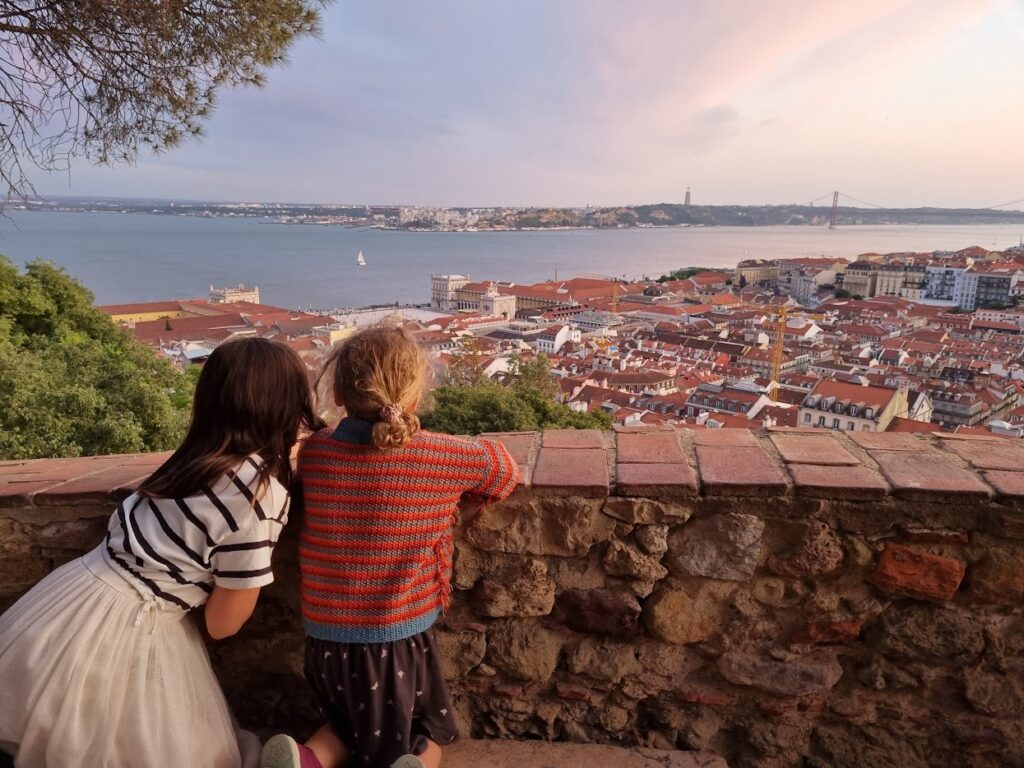
Moving Countries with a Young Child: Some Pros and Cons To Consider
Two years ago, while our daughter was still four, we packed up our lives in New Zealand, shipped ourselves halfway across the world, and landed in Portugal. The emotional journey around that, and the why’s, what’s and how’s of that decision are a story for another day.
But what I would say without a doubt is that part of the rationale for us doing it, was that she was still young enough to not be fixed in a school, and young enough to be relatively malleable to moving and change.
Over the past couple of years, she has shown resilience, adaptability and a curiosity that I’m immensely proud of. She finds joy in new places and new friendships, and has flourished. But I’m not saying moving countries with a young child isn’t without it’s challenges – both practical and emotional.
Here are some of the pros and cons of uprooting your life with a small human in tow.
The Pros: Because There Are Some, I Promise
- They’re Still (Relatively) Portable
Let’s face it: if you’re going to move countries with a child, younger is better. They’re still small enough to think an airplane ride is exciting and haven’t yet formed the deep-rooted friendships that make leaving difficult. When you explain to a four-year-old that you’re moving across the world, they can’t comprehend the distance and the difference. It’s another new experience in a sea of daily new experiences that come with being a small growing human.
They also don’t have that much stuff. We had to send a few things in a box (I don’t advise it – it was hideously expensive and she moved on from the toys and books very quickly), but for the most part it was just her favorite books, her special toys and some of her clothes, with the promise that she could buy new things when we arrived.
- They’re Adaptable (Mostly)
One of the perks of young children is that they have little concept of “normal” yet. Yes, kids like routine and structure, but they’re adaptable because they don’t really know any different. One minute they’re running barefoot in a Kiwi backyard, and the next they’re dodging pigeons in a Portuguese praça. As long as there’s something fun to do, they’ll roll with it. Their brains are little sponges, so the new language, new culture, and new food are just part of the grand adventure. And we made sure we kept routines consistent (like bedtime and stories) so there was familiarity to feel safe.
- It’s an Opportunity to Broaden Their Horizons
Friends of friends once said to me that their family motto was ‘always choose the adventure.’ I’m not sure I’m always bold enough (or with as much resource as they are!) to choose delight over duty. But I do think it’s important to not have regrets. And I want my daughter to take life by the balls, so to speak. An overseas adventure exposes your child to different cultures, languages, and ways of life at a young age. This is a beautiful gift; They soak up all these new experiences, and I truly believe it’s shaping her in ways that will benefit her for the rest of her life.
The Cons: Let’s Get Real
- Boundaries, boundaries, boundaries.
Although kids are adaptable, they also need to feel safe. And one of the ways kids often find their safe space is to test you to make sure that everything is still ok.
Your child will probably test every boundary, repeatedly. And you, in the middle of trying to figure out how to pay for groceries in a language you don’t speak, will have to find the energy to establish a whole new routine in a country where nothing works quite the way you’re used to. This experience has been a lesson in patience and emotional regulation – for me as a parent – and it’s a lesson I am still working my way through.
- The Language Barrier
Moving to a country where your child doesn’t speak the language is a double-edged sword. It’s amazing how quickly they can pick things up. (Albeit, it hasn’t come as naturally to our stubborn girl as others), but for me, other than basic conversational Portuguese, I’ve found it very hard. And this is fine on the daily, to be really honest, but when it’s crunch time, it’s incredibly vulnerable to realise you can’t communicate your needs. I have been to the Emergency Room twice with my daughter, once in an ambulance with a foot sliced open, and to have to try and communicate through broken English/Portuguese and using Google Translate on your phone is an intense and scary experience. To feel you can’t take care of your child because of the language barrier is a whole new parental guilt/fear experience.
- It takes time to settle in.
Moving countries can feel isolating, especially when you’re balancing your child’s needs with the logistics of setting up a new life. You’ll miss home. You’ll miss the familiar ease of navigating your old world. And your kids might feel it too.
But… You’ll find your people eventually. It takes time, but expat communities are wonderfully diverse, and there’s a camaraderie in meeting others who’ve gone through the same experience. We have met some incredible people here, and Aurora has made a wide circle of diverse friends.
The Takeaway: Was It Worth It?
Despite the challenges (and there have been many), moving countries with a young child was, and is, an incredible experience. We’ve created memories that would have never been possible if we’d stayed put. My daughter has ridden a camel in Marrakesh, she’s been to the Eiffel Tower, she’s been in a hot air balloon above the Atlas Mountains, and seen the big wave surfers at Nazare. She’s growing up understanding that the world is a big, diverse place, and that’s a pretty fantastic perspective for a little human to have.
And importantly for me, and one of the reasons for moving here, she spent more time with family and extended family for the last two years than she could from New Zealand. We have a wide bubble of love across the globe, and she got to feel first hand how far it stretches. And for that I am eternally grateful.
So, if you’re thinking about packing up and heading off to a foreign land with your small person, my advice is this: do it. And make sure you bring a lot of patience, a sense of humour, and the knowledge that you don’t have to stay in any situation. You can always go back if it’s not for you.
Sugar and spice, and all things… neurodiverse.
(AKA Parenting a neuro spicy child as a neuro spicy mum)
Parenting is often described as the hardest job in the world, but parenting a neuro-spicy child (i.e. a child with neurodivergent traits such as ADHD, autism, dyslexia, or sensory processing issues) is a slighltly different adventure again. It can be beautiful, but it is most definitely messy, exhausting, frustrating… and it can also hit your own triggers and really draw a spotlight on the ND traits you have yourself.
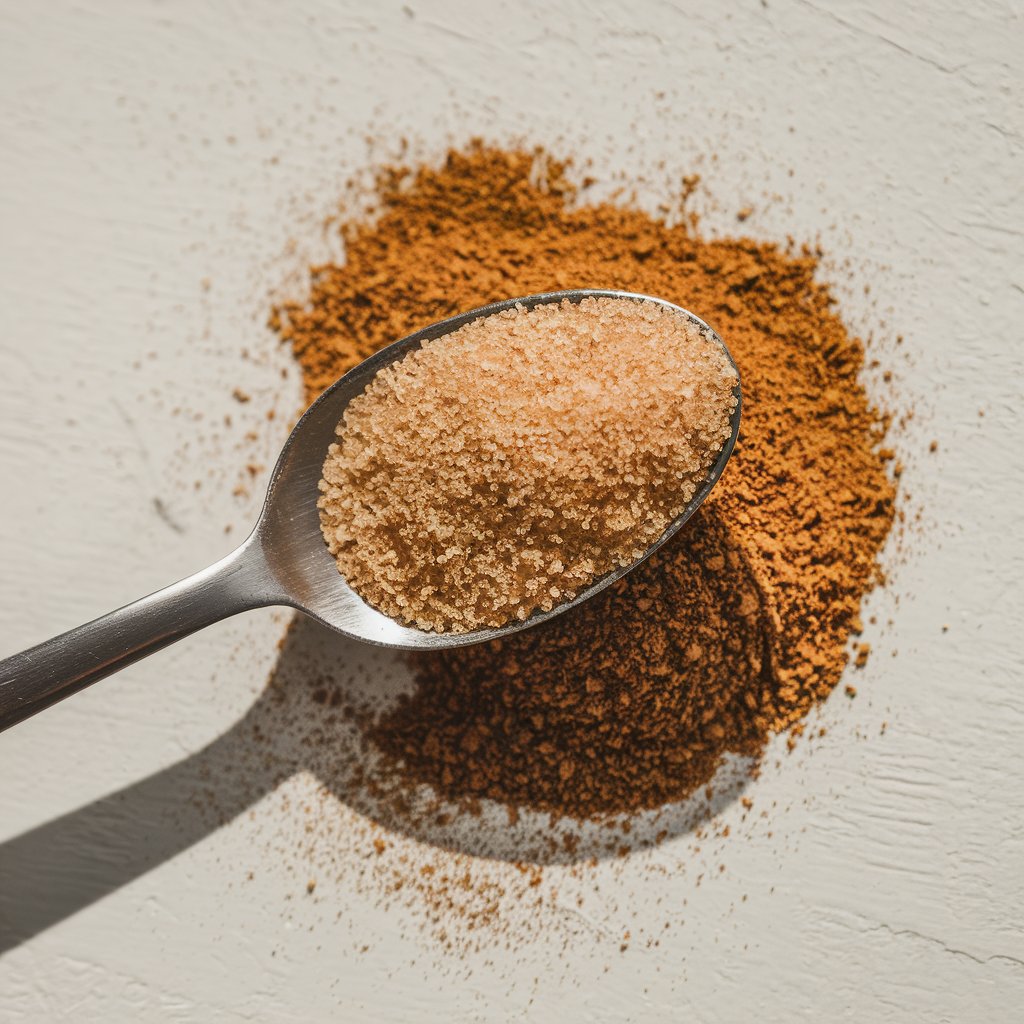
When we talk about neurodivergent children — or, my preferred term “neuro-spicy.” Divergent implies there is a correct path, and one that veers off. I think it’s more like a spice cupboard. Some people are chilli, some are vanilla, some are salt —it’s important to remember that every child is unique. There’s no one-size-fits-all approach, and the challenges change regularly – but here is a mini glimpse into some of the interesting challenges we have noticed navigating the world with a neuro-spicy child, and identifying the traits in ourselves along the way.
1. The Daily Struggle of Routine (or Lack Thereof)
Every parenting guide will tell you how vital routine is for children. They need structure, predictability, and consistent boundaries to thrive. Now, try explaining that to a neuro-spicy child whose brain thrives on unpredictability. Routine is both a blessing and a curse for us. On the one hand, having some routine is crucial for helping our child feel grounded. On the other, we have to have flexibility for new ideas or a sensory processing challenge that can cause anxiety. Disruption can also lead to so much excitement that things can descend into tricky moments. Add in a partner who likes to live more spontaneously, and routine can be a hard one to maintain.
We’re working on it.
2. The Social Minefield
One of the hardest things to navigate as a parent of a neurodivergent child is the social landscape. Neuro-spicy children often struggle with social cues – and while our daughter is confident and able to make friends, she can be so ‘extra’ that not all kids are comfortable with it. She has no spatial boundaries, so will pick up children she has just met without permission, or get very close to them.
In reality, my own discomfort really doesn’t help. In public spaces and around new parents and children, when your child is behaving in ways that aren’t typical, it’s difficult to feel calm and comfortable. And bringing that energy to the situation can make things worse.
3. The Overwhelm of Sensory Overload
Neuro-spicy children often have a heightened sensitivity to their surroundings. This might mean they are acutely aware of noises, textures, smells, or lights that others don’t even notice. What feels like a gentle breeze to you might feel like a hurricane to them. A seemingly simple task, like putting on socks, can turn into an ordeal because the texture doesn’t “feel right.” Our child prefers to be naked and hates socks and shoes. Putting on trainers can be a battle on rainy days, because they feel claustrophobic to her.
The interesting thing has been identifying my own sensory overload as a mother through this journey. I struggle with competing noise and it makes me very anxious. I never noticed it until I was in my own little family, but if two people are talking at once, my brain feels fizzy.
4. The Emotional Rollercoaster
One of the most surprising aspects of parenting a neuro-spicy child is the emotional intensity. Many neurodivergent children experience emotions on a scale that is difficult for them to regulate. What starts as a small frustration can quickly spiral into full-blown tears or anger. And while neurotypical children can often be soothed with a hug or distraction, neuro-spicy children may need more time to process their emotions.
The emotional rollercoaster also extends to us, the parents. Watching your child struggle in ways that aren’t always visible to others can be heartbreaking. And to be brutally honest, can also be really frustrating and tiring. It’s really important not to take it personally, and try not to let their emotions drain your own energy.
5. The Hidden Strengths
Amidst the challenges, however, there is a deep well of joy and pride that comes from parenting a child whose brain processes the world differently. Their creativity, imagination, and problem-solving skills are off the charts. My child may struggle with some things that come easily to others, but when they shine, they really shine.
It’s in those moments when they light up with passion for something that fascinates them, or when they come out with an observation that’s beyond their years, that you realise just how incredible their minds are. Neuro-spicy children may not always fit into the world’s mould, but that’s what makes them special.
6. Finding Support and Community
One of the most important lessons I’ve learned is that you can’t do this alone. Finding a community of other parents who understand the neuro-spicy journey is invaluable. Whether it’s through online support groups, local meet-ups, or even just chatting with other parents in similar situations, having people who “get it” can make all the difference.
Parenting a neuro-spicy child is not easy, but it is filled with moments of incredible growth, learning, and love. It’s about embracing the beautiful chaos and understanding that while the journey may be different, it’s no less valuable.
We are the dreamers of the dreams... and the to-do-ers of the to-do list.

From the moment I could hold a pen, I was in love with lists. Lists for school projects, lists for birthday presents, lists of all the lists I needed to make. There was something deeply satisfying about ticking off each task with a brightly coloured highlighter; that neon glow signalling that I was in control.
I carried this love for order into adulthood. I worked in jobs where organisation and lists were part of my success criteria – and I did very well at it.
But when a tiny human entered the scene, my carefully curated structure was obliterated. Suddenly, I found myself questioning everything. I realised three things.
What I thought was a gift and penchant for being organized, was actually just a ‘need’ to feel I was in control of situations. It was a mask for my anxiety.
If you removed the exoskeleton of external structure (a work schedule, fixed training sessions etc.) I actually really struggled with creating my OWN schedule.
Without long periods of uninterrupted time to plan out activities, I found it very hard to use my time as productively.
The Neuro-Spicy Twist
It was around this time that I began to notice some things about myself that went beyond just “feeling frazzled.” I’ve since come to understand that what I once thought of as being ‘super organised’ was actually a very effective way of masking my neurodiverse traits.
Although not officially diagnosed, I am very aware that I have neuro-spicy tendencies… talk about loving a list? I can tick off most symptoms and signs that indicate ND with a flourish.
For years, I had unknowingly created an entire system of organisation that helped me function at a high level, but only under fairly strict of conditions. The controlled environment I’d built for myself had allowed me to feel on top of things. I wasn’t just achieving; I was thriving. But, and here’s the kicker, this was all under the illusion of control.
When you have a child, and especially when you work from home, control becomes a distant memory. Children are messy. They are more chaos than calm. And they have a knack for unravelling the best-laid plans.
I think I am perhaps less naturally organised than I thought. But I am high functioning, and was very good at maintaining an environment where I could mask my neuro-spicy tendencies – even to myself. Take that environment away (as children do!), and suddenly, things that had been easy were hard. Very hard.
Finding a New Normal in the Chaos
So, what do you do when your old systems no longer work, and you can’t exactly put your child on a timer and tell them to stop existing between the hours of 9 and 5? The answer, I’ve found – and to be clear, it’s taken a LONG time, and I’m still working on it – is to embrace the chaos a bit, while still clinging to some semblance of structure where possible.
Here are a few things that have helped me stay organised, even when life feels like a whirlwind of snack requests and Zoom calls:
1. The 3-Task Rule
Instead of overwhelming myself with a never-ending list of things to do, I now focus on three main tasks each day. I have to get through these and then everything else is a bonus. By limiting my absolute daily goals, I’m less likely to spiral into feeling like I’ve failed before I’ve even begun. I almost always do well beyond three tasks, but if I get those done, I’ve succeeded. I also make sure I ‘eat the frog’ with at least one of these tasks, choosing something I don’t like and getting it over and done with.
2. Flexible Lists
I still love a good list, but I’ve learned to make them flexible. Rather than being strict about when something gets done, I now use broad categories like ‘Must Do This Week.’ This way, I have a bit of structure but without the weariness or guilt if something has to be carried over to the next day (or the next).
3. Habit Stacking
I’ve found that pairing tasks together helps me stay on track without feeling like I’m juggling too much. For example, I’ll listen to a podcast while doing the washing up, or I’ll stretch while waiting for the kettle to boil. Small wins, but they help keep things ticking over without it feeling like extra work. (Read or listen to Atomic Habits for some good insights.)
4. Digital Planners and Timers OR Paper Ones
In the past, my paper planner was my lifeline, and then I shifted to rely more on digital reminders. Now I use both. I have ClickUp for work tasks, and rely on my Google Calendar, but I also write down my daily to do list. There is something about actually writing it down that helps me. But I can no longer pretend I can hold everything in my head. If I don’t write it down (or set an alarm for it), it is a lot less likely to happen. Thankfully there is a lot of help out there to help.
5. Be Kind to Yourself
The most important lesson I’ve learned is to stop being so hard on myself. The fact that I’m juggling work, life, and parenting is an achievement in itself. I might not be ticking off every item on my to-do list, but I’m making progress. The other part of being kind to yourself is to make time in the schedule for things that nourish my body and mind. They make me work better, and keep my energy levels more balanced. Getting things on the list done is great, but keeping your body and mind healthy should be at the top of every daily to-do list.
Realistically I may never go back to the ‘ultra-organised’, highlighter-happy version of myself, but I’m slowly finding a new balance. And in reality, that version of myself relied on outside parameters for success. This one is creating her own success and her own rhythms.
Multi-tasking Working Mum
Once upon a time, for a fleeting moment, I actually felt I had it all together. I was organized, fitter than I’d ever been, in a loving relationship, in a job I enjoyed that paid well, and driving a purple convertible. True story.
Fast forward six-ish years, throw a small human (and a global pandemic) into the mix, and suddenly my life feels decidedly less polished.
Now, don’t get me wrong, I love my child and there are a lot of good things in my life. But motherhood isn’t all rainbows and finger paintings. It’s hard, exhausting, emotional work – much, much harder than working a corporate job. I’ve gone from feeling like Wonder Woman in heels (on a good day at least) to a rabbit in the headlights some days. And I cannot remember the last time I wore heels.
It’s easy to lose yourself in motherhood. You can’t really prepare for your new identity as a mother – not really. You know there’ll be a shitload more responsibility with less free time. You’re told that you’ll be in love with your baby and never know a feeling like it. But until you experience it yourself, no explanation of how it impacts your sense of self, your ego, your identity, is sufficient.
I felt lost; more than that, I couldn’t really remember who I was before, but I knew that I mourned her. If people asked me what I liked or what my hobbies were, I genuinely couldn’t answer them. I had no idea.
I don’t exactly feel like that now; I have accepted that I am forever transformed from the person I was before motherhood. But I also know that it is time to reconnect with the parts of me that are still there and would like to come out of hibernation.
Inside I know here’s a version of me who likes to read books, go for a run, and do yoga. The tricky part is remembering her through the tired cloud; and more importantly, finding the time to be her.
Now my child is five, I have finally been able to find some headspace for clarity, and am beginning to do things that feel like they are me – Rebecca – and not just me, mum.
So here are five things I wish I’d done more of to get to this point sooner.
1. Schedule ‘You Time’ – it really is important.
In the past if someone said “Schedule time for yourself,” I would smile politely (albeit my game face isn’t great) whilst internally thinking ‘lucky for some. Who has time to spare?’ But in reality, this has been really important, and manageable. You can find time if you really want to, I promise. It doesn’t have to be an elaborate spa day (though I wouldn’t say no to that) it just has to be intentional. Honoring you and putting yourself first.
You can aim for something simple – drinking coffee alone, taking a quick walk around your neighbourhood alone. Key word though: alone. Let that be the time to reconnect with yourself, even if it’s just to scroll Instagram in peace.
2. Lower Your Standards—And Then Lower Them Some More.
Let go of the idea that you have to do everything and be everything to everyone… and try to care less what (you think) people think. If a frozen pizza in the oven is the best you can do for dinner, and wearing clothes that don’t really fit anymore because you’ve not had time to do the laundry, is all you have, then just roll with it. Sometimes it’s just about preserving your sanity… after all, tomorrow is another day. I’ve been trying to tap into an identity of a ‘successful, calm woman who knows how to relax, and accepts that some days don’t work out as you planned, and that’s cool’.. What would that woman do? It’s actually quite effective. If you want to be that woman, then become her.
3. Conversely, Dress Like You Mean It (Even If It’s Once a Week).
Working from home has definitely meant I am more of a ‘comfort wear’ kind of person these days. I can go entire days without seeing anyone, and that has meant a significant lowering of my standards. But here’s the thing – when I do take the time to put on a real outfit, some makeup, and maybe even shoes with a heel, I feel like a completely different person. There’s something about looking like a semi-put-together human that reminds me, “Oh hey, I am still that professional woman who knows what she’s doing!” Do it for you, not anyone else though.
4. Find Joy in the Small Things (Even if It’s Just Chocolate).
When you are in the middle of juggling, well, everything, it’s hard to feel like you have any vibrancy in your existence.
I know there’s been a backlash to ‘treat culture’ but you know what? I am HERE for it. Whatever brings you joy, indulge in it—guilt-free. Little moments of happiness can be enough to remind you that life isn’t all chaos. There’s still room for you in the cracks of the madness.
(I say this with a caveat – if you have habits that are not good for your long term wellbeing, or will get in the way of your goals, then try to choose other things that will give you a glimmer. It might be a beautiful scented candle, rather than a whole bar of chocolate, for example. But, if you really want the chocolate – then just enjoy it, take a deep breath, shake it off and get back in the saddle.)
5. Get Moving — Your body and brain will thank you for it.
I used to run a lot. I did 10k and half marathon races; bootcamp 3 or 4 times a week, swimming, yoga… but since having my daughter, and for a number of reasons, my activity has decreased and decreased.
I had postnatal depression, and I ended up not knowing how to do anything beyond just what was in front of me. Surviving, working, chores, eating. Anything beyond that was just too hard.
Now I have better chemical balance thankfully.
I also know that it makes me feel better when I’m moving. But I have found it very hard to accept that I am so behind where I used to be. Sometimes it’s felt easier to not even try, because I know I can’t get back to the levels of fitness I had.
But I’ve been trying to sneak movement into my day again, and it’s helping me feel more like myself. Sometimes it’s as simple as stretching while I wait for the kettle to boil, or running up the stairs instead of walking. Anything that gets me moving reminds me that my body is still mine. And it’s pushing me forwards to be brave and push myself further. So watch this space; maybe I’ve got another 10k run in me yet.
So, there you have it—five little ways I’ve been trying to hold onto myself in the whirlwind of being a working mum. I have accepted that this is a new era of me; a slightly more chaotic version. And I’m embracing this next phase.